OpenAI has countersued Apple, accusing the iPhone maker of unlawfully pressuring shared hardware suppliers, using expansive employment restraints to limit hiring, and stealing OpenAI trade secrets. The counterclaims were filed on Friday, November 27, in federal court in San Jose, California, according to Bloomberg reporting relayed by TechCrunch.
At the center of the filing is OpenAI's planned entry into hardware. Former Apple design chief Jony Ive is helping the company develop a family of products, and OpenAI argues that Apple responded by pressuring vendors not to work with it. "Apple has responded to OpenAI's anticipated entry into the hardware market by unlawfully pressuring vendors not to work with OpenAI and using expansive employment restraints to limit OpenAI's access to talented engineers," OpenAI said in the filing. "Apple's power over suppliers and engineers cannot lawfully be used to exclude competing purchasers and employers from the market."
The supplier allegations are detailed. OpenAI says Apple pressures suppliers to identify their OpenAI projects and the names, locations, and assignments of workers with Apple experience, and then seeks to exclude workers with OpenAI experience from further Apple work, discouraging suppliers from committing staff to OpenAI. One supplier providing specialist finishing services moved its manufacturing work for OpenAI products to the night shift to avoid overlapping with Apple work, increasing OpenAI's costs, according to the filing. "Suppliers have expressed fear of losing Apple business and have moved or rescheduled meetings with OpenAI to avoid Apple seeing them," the counterclaims say.
OpenAI also makes a trade-secret claim of its own. It alleges that a former employee who left Apple for OpenAI and later returned to Apple sent more than a hundred highly confidential files about at least one unreleased OpenAI device to personal accounts, including images of unreleased hardware, engineering and manufacturing data, and supplier information. Apple said it has policies to prevent the use of confidential information from former employers and found no evidence to substantiate the claims. OpenAI also challenges Apple's employment agreements, arguing that they define private information too broadly and unfairly restrict former employees.
Apple rejected the counterclaims outright, telling the Financial Times that they are "a transparent attempt to distract from the substance of Apple's lawsuit, in which OpenAI has already been ordered to stop using Apple's confidential information." Apple said: "This case is about OpenAI employees deliberately stealing, accessing, and using Apple's secret and confidential information regarding our unreleased technologies, processes and products — not about inadvertent retention of Apple information."
Apple sued in July, naming OpenAI and its chief hardware officer, Tang Tan, among others. It alleged that OpenAI leaders asked candidates to bring Apple hardware components to interviews and coached them on evading security, and that a former iPhone engineer accessed confidential files through an authentication bug. OpenAI said it has "no interest in other companies' trade secrets," has denied wrongdoing, and has asked a judge to toss out Apple's lawsuit. In October, OpenAI voluntarily agreed not to use trade secrets Apple claims were stolen, after a judge said he was likely to issue such an order.
The escalation is a sharp turn for two companies that partnered in 2024 to integrate ChatGPT with Siri across iPhone, iPad, and Mac software. That relationship has cooled as OpenAI moves into competing devices. No court has decided any claims, but if proven, the supplier allegations would show how control over shared vendors can shape who builds the next AI hardware platform.
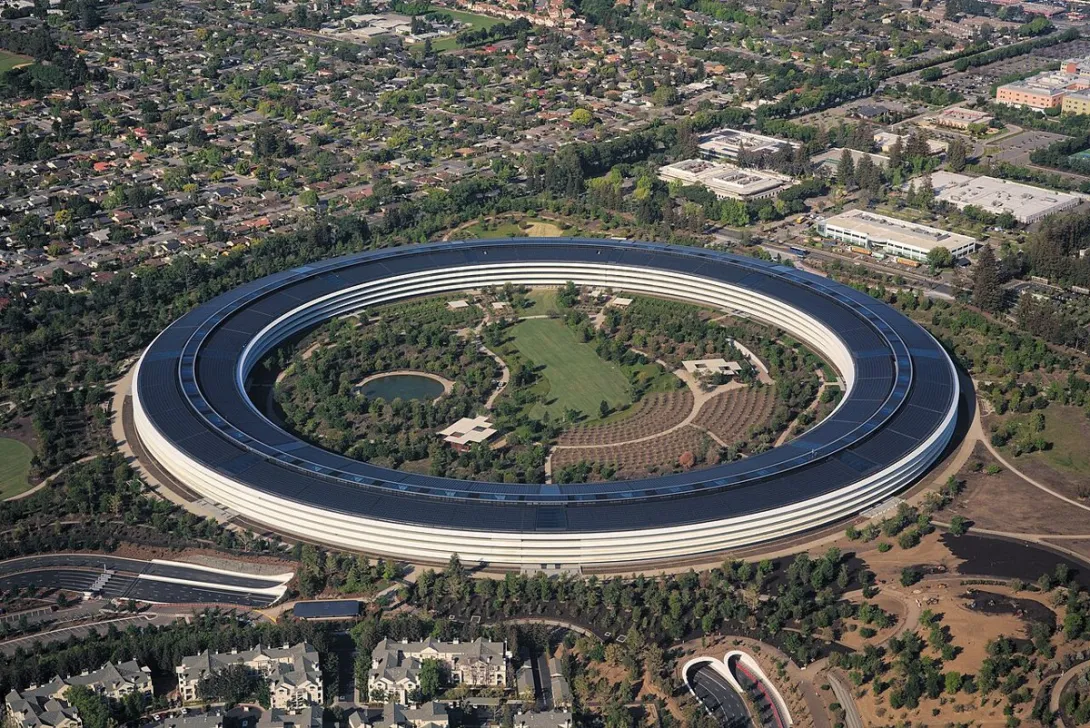
Photo: Aerial view of Apple Park, Apple's headquarters in Cupertino, California, by Daniel L. Lu, CC BY-SA 4.0, via Wikimedia Commons.